Grout vs. Caulk: When to Clean and When to Replace Moldy Materials
Bathroom mold is a persistent problem that often shows up in the same places: along the edges of a tub, around a shower base, and in the narrow lines between tiles. For many homeowners, the first instinct is to scrub. But scrubbing does not always solve the issue, especially when mold has taken hold in porous materials or behind a layer of caulk. Understanding the difference between grout and caulk, and knowing when each can be cleaned versus when it needs to be torn out, is essential for keeping a bathroom healthy and functional.
What Is Grout and How Does It Handle Mold?
Grout is a cement-based material used to fill the gaps between tiles. It is porous by nature, which means it absorbs water, soap scum, and organic matter over time. Once mold spores land on damp grout, they can sink below the surface. Surface cleaning with bleach or a commercial cleaner may remove the visible discoloration, but the roots of the mold often remain. Within a few days or weeks, the stain returns.
For light surface mold on grout that has not been neglected for years, a thorough cleaning with a stiff brush and an oxygen bleach product can work. The key is to dry the area completely after cleaning and to improve ventilation so the grout stays dry between uses. However, if the grout is crumbling, if it has deep dark stains that resist cleaning, or if the mold returns within a week, cleaning is no longer enough. The grout has become a reservoir for mold, and the only reliable fix is to remove it and re-grout the area.
When Caulk Becomes a Problem
Caulk is a flexible sealant used at joints where tile meets a different surface, such as the edge of a bathtub or the corner of a shower wall. Unlike grout, caulk is supposed to be waterproof and flexible. But over time, caulk can shrink, crack, or pull away from the surfaces it seals. Those tiny gaps trap moisture, and mold finds them quickly. Because caulk is not porous in the same way grout is, surface mold on caulk can sometimes be cleaned effectively with a mild bleach solution or a commercial caulk cleaner. But once mold gets behind the caulk or into a crack, cleaning the surface does nothing. The mold is living in the gap between the caulk and the tile or tub.
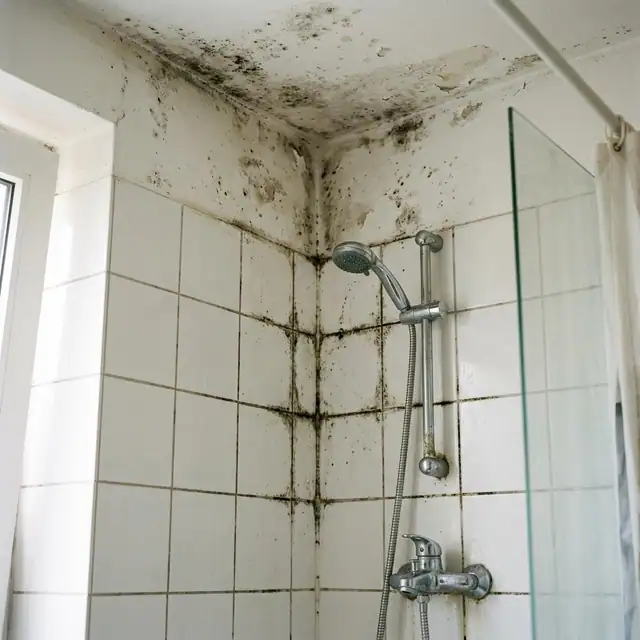
This is where the decision gets practical. If the caulk is intact, well-adhered, and only shows light surface mold, a deep clean might save it. If the caulk is peeling, cracked, or discolored all the way through, it must be removed and replaced. Attempting to clean failing caulk is a waste of effort, and the mold will continue to spread behind the scenes.
Comparing the Two Approaches
Cleaning tile grout and caulk is the less invasive option. It costs little, takes an afternoon, and can extend the life of existing materials. The trade-off is that cleaning does not fix the underlying problem if moisture is being trapped or if the material is already compromised. Replacing contaminated materials is more work. It involves scraping out old grout or caulk, cleaning the substrate, and applying new material carefully. The result is a fresh surface with no hidden mold. The downside is the time, the cost, and the fact that a poor replacement job can fail just as quickly as the original.
For a homeowner trying to decide, the rule of thumb is straightforward: if the material is still in good condition structurally, try cleaning first. If it is damaged, loose, or deeply stained, replace it. The same logic applies to caulk mold removal. Surface mold on sound caulk can be cleaned. Mold growing from behind the caulk or through cracks means the caulk has failed.
Common Scenarios and What They Mean
Consider a shower corner where the caulk has darkened along the edge but still feels firm. A cleaning with a bleach pen or a dedicated caulk cleaner, followed by thorough drying, often restores it. If the same corner shows a gap between the caulk and the tile, water is getting underneath. Cleaning the surface will not stop the mold that is growing in that gap. The caulk must be removed, the area dried and disinfected, and fresh caulk applied.
Grout lines in a shower floor that have become soft or crumbly are a clear sign that moisture has been sitting in them for too long. No amount of scrubbing will restore solid grout. The old grout needs to be ground out, and new grout should be sealed properly to resist future moisture. For wall tiles above a tub, if the grout is still hard but has a persistent gray or black stain, a professional cleaning product with a dwell time may work. If it does not, the grout is likely stained all the way through, and replacing it is the only option.
Why Ventilation and Moisture Control Matter
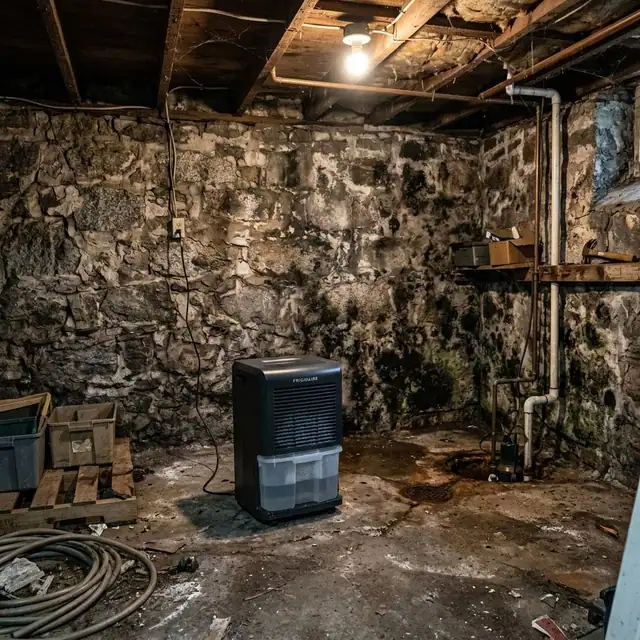
Cleaning and replacing are both reactive steps. The longer-term solution involves controlling the conditions that allow mold to thrive. Bathrooms with poor ventilation, high humidity, and small leaks will keep growing mold no matter how often the grout and caulk are replaced. Addressing ventilation, fixing dripping faucets, and wiping down wet surfaces after showers are the habits that keep mold from coming back. For persistent mold issues that keep returning even after cleaning and replacement, a deeper look at moisture sources is necessary.
Professionals who handle bathroom mold remediation look at the whole picture. They check for hidden leaks behind walls, measure humidity levels, and assess whether the existing ventilation is adequate. They also understand that caulk and grout are only as good as the surfaces they bond to. If the substrate behind the tile is wet or damaged, new grout and caulk will fail quickly.
When to Call for Help
Some mold situations are straightforward enough for a determined homeowner. A small area of surface mold on intact caulk or grout can be cleaned with household products. A larger area, or mold that keeps coming back despite repeated cleaning, suggests a deeper problem. If the mold covers more than a few square feet, if it is accompanied by a musty odor that persists, or if anyone in the home has asthma or allergies, it is wise to get a professional assessment.
In the Boston area, Mold Removal Boston Pros handle exactly these situations. They do not just clean the visible mold. They look for the moisture source, evaluate the condition of grout and caulk, and recommend whether cleaning or replacement is the better path. Their approach matches the reality of bathroom mold: surface treatments only work when the underlying structure is sound. When materials are compromised, replacement is the only real fix.
Making the Choice
The decision between cleaning and replacing comes down to the condition of the material and the extent of the mold. For caulk, if it is still sealed and flexible, a thorough cleaning can work. For grout, if it is hard and the mold is only on the surface, cleaning is worth trying. But if the material is damaged, if the mold has penetrated, or if the problem returns quickly, replacement is the smarter investment. It saves time, prevents future frustration, and keeps the bathroom healthier.
Mold Removal Boston Pros recommend starting with a simple test: press on the caulk to see if it springs back, look for gaps or cracks, and check whether the grout is crumbly. If the material passes those tests, clean it. If it fails, replace it. That practical approach keeps small problems from turning into big ones.